Ruslan Abdulin

Passionate candidate pursuing an M.S. in Electrical Engineering, specialized in Power Systems, with hands-on experience in power flow analysis, network-constrained economic dispatch, datasheet interpretation, and SQL database management. Skilled in ML algorithm development, data visualization, and test case construction.

Conference Papers on Machine Learning for Bad-Data Detection and Localization in Power Systems
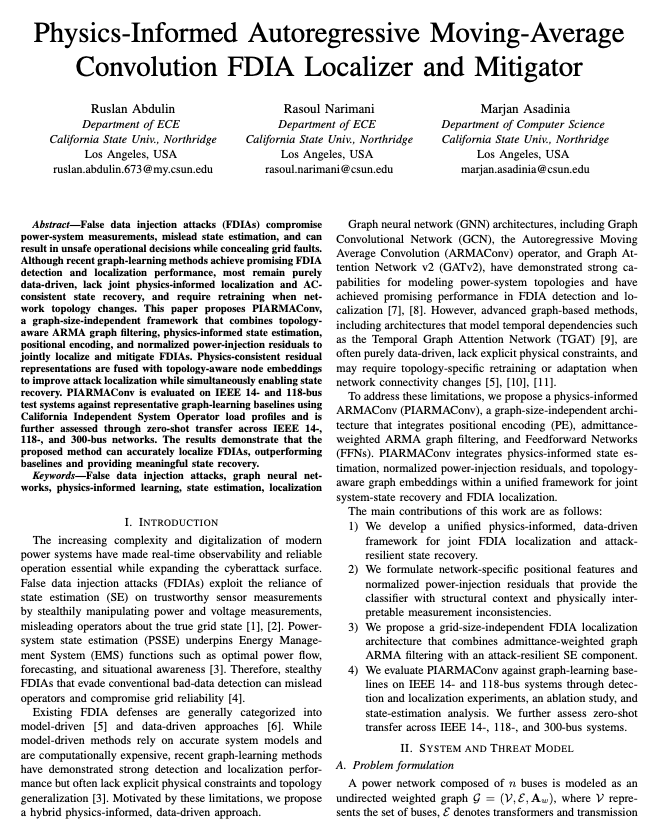
The first page of the Physics-informed FDIA localizer and state recoverer paper
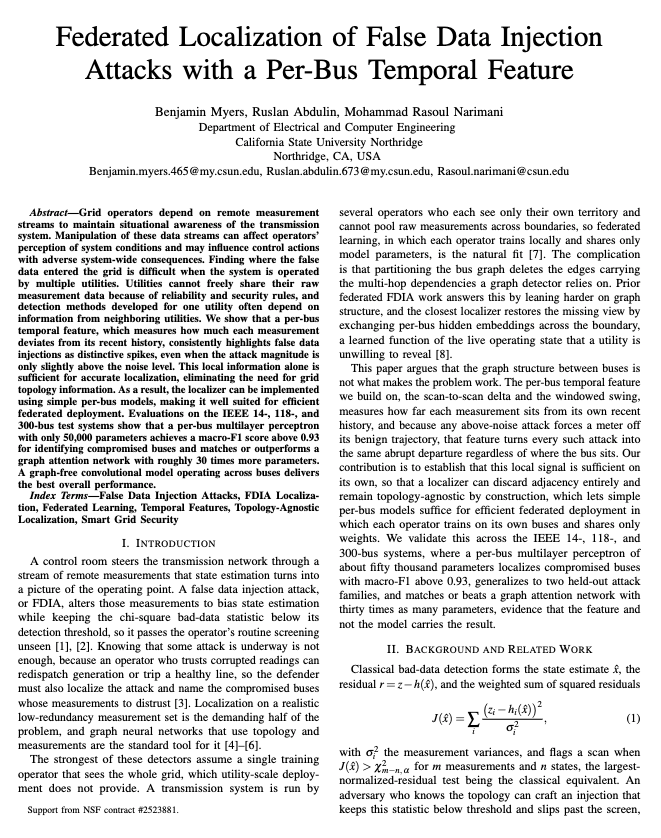
The first page of the Federated learning for FDIA handlingpaper
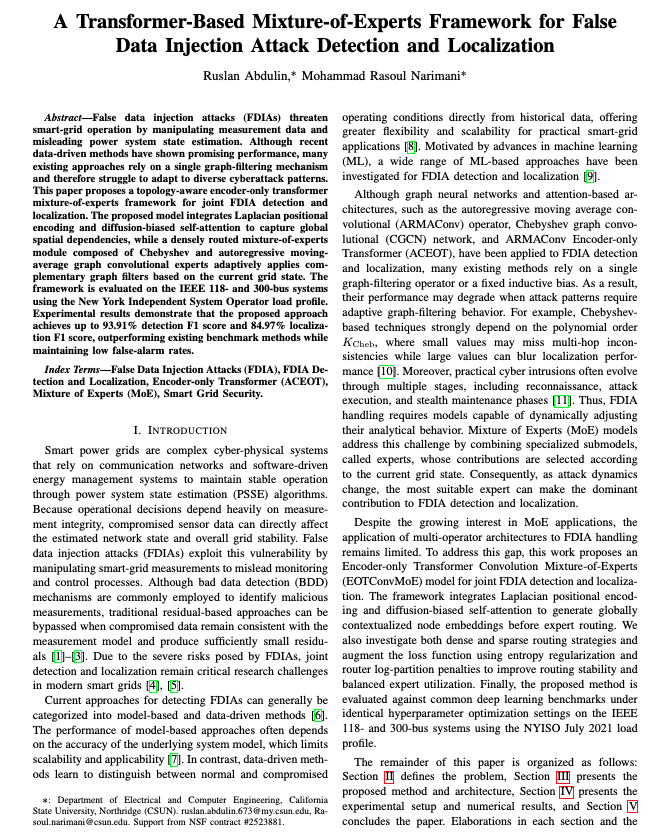
The first page of the Regular MoE for FDIA detection and localization paper
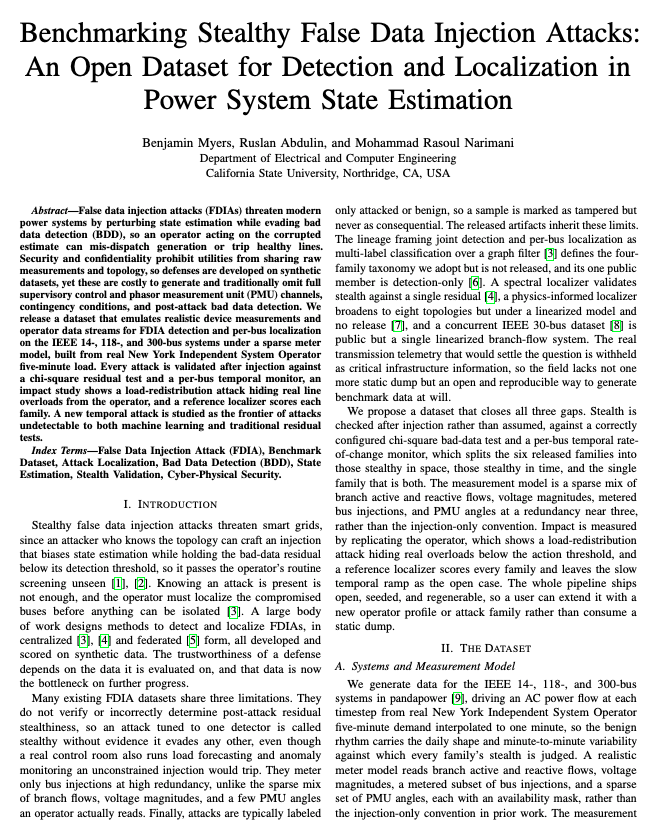
The first page of the FDIA dataset paper
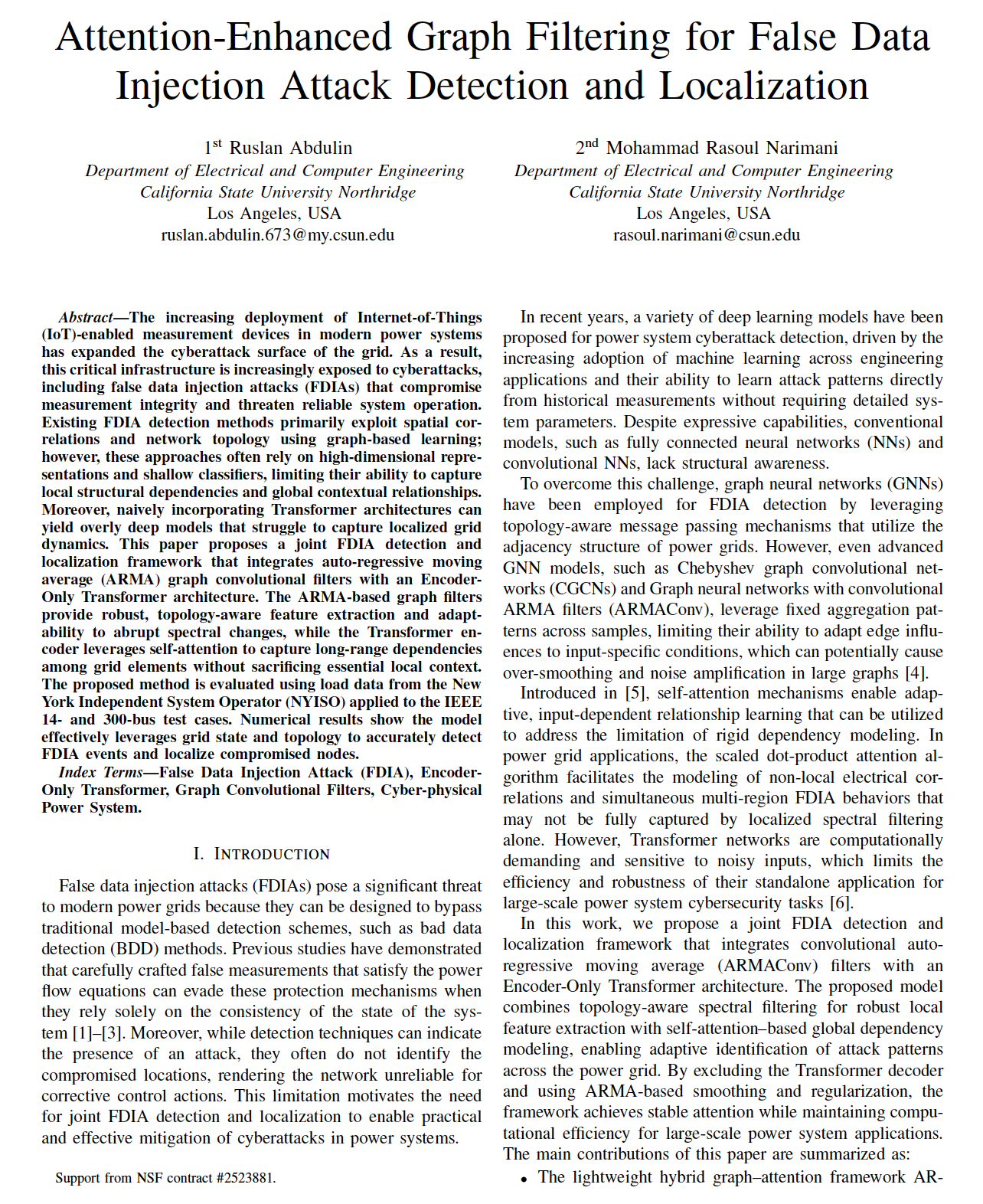
The first page of the paper
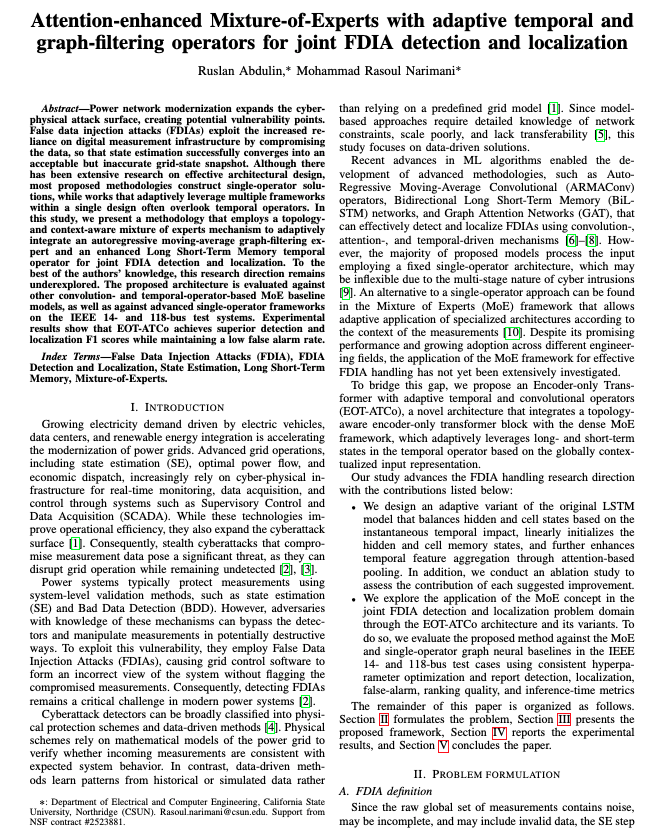
The first page of the temporal operator-enhanced MoE paper

As a Graduate Research Assistant working in an NSF-funded project at California State University, Northridge I have designed, evaluated, and documented various ML solutions for cyberattack detection and localization in power systems. The proposed methods incorporate mixture-of-expert, federated learning, and physics-informed architectures. For the purposes of fair evaluation, I developed a synthetic dataset that includes four cyberattacks and is based on the CAISO load profile. I documented my research and contributions in multiple conference papers. These works have been accepted for presentation at the SmartComm2026, NAPS2026, and GESS2026 conferences taking place in October-Novermber 2026.

  • The works can be found on Google Scholar
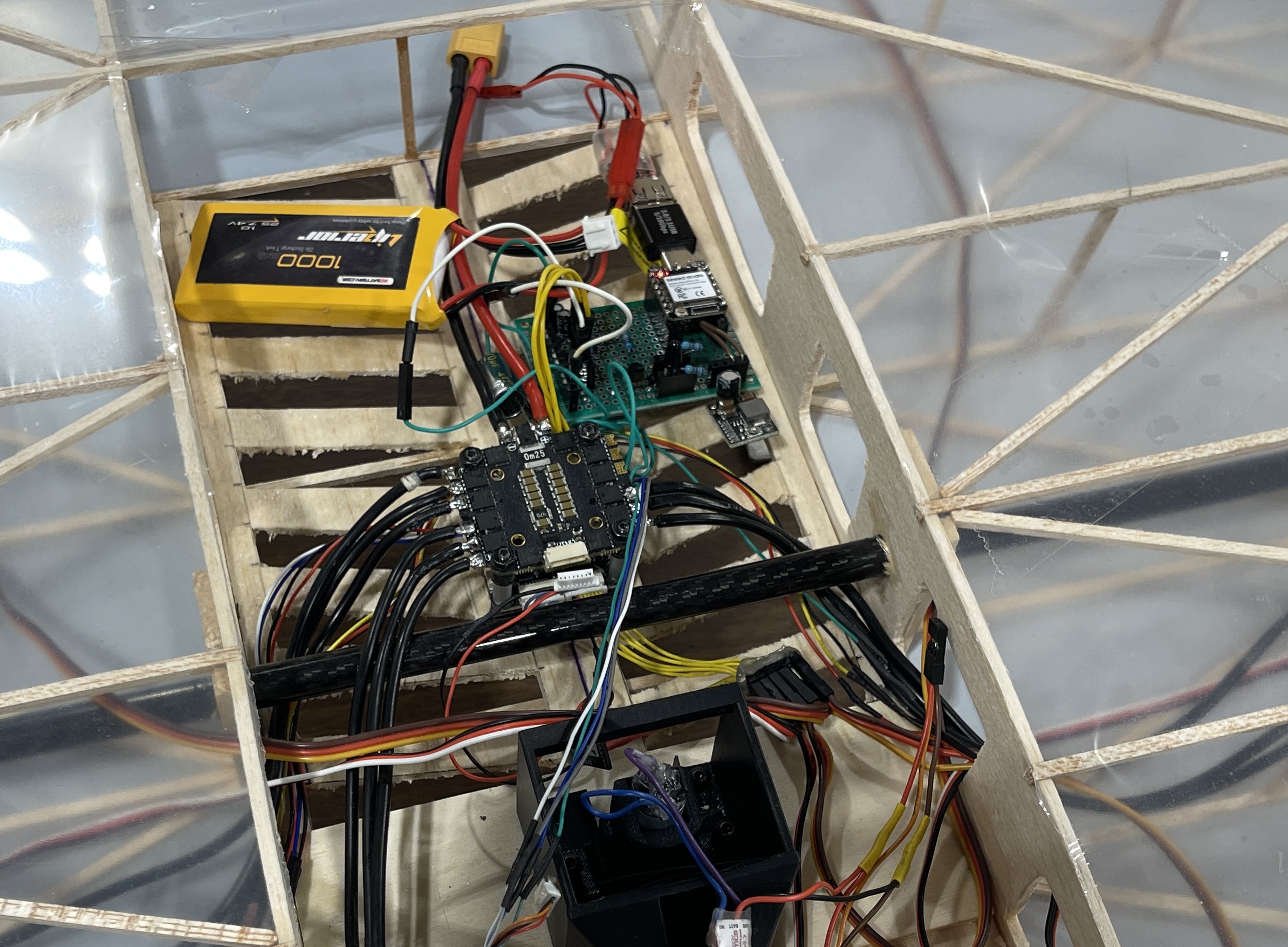
On-Board Computer for a drone, SAE international competition 2026

Close-up to the drone's circuitry with the PCB installed
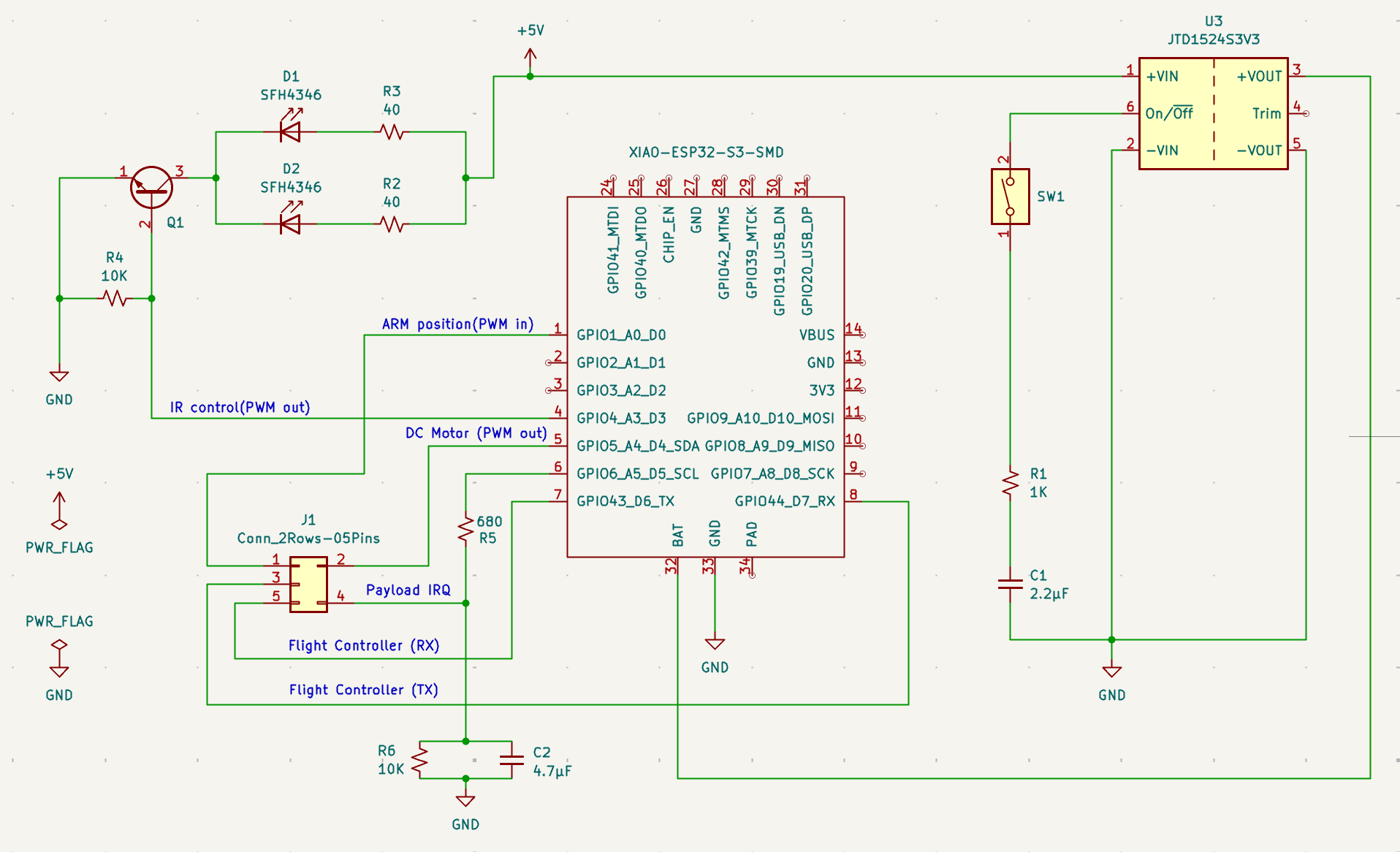
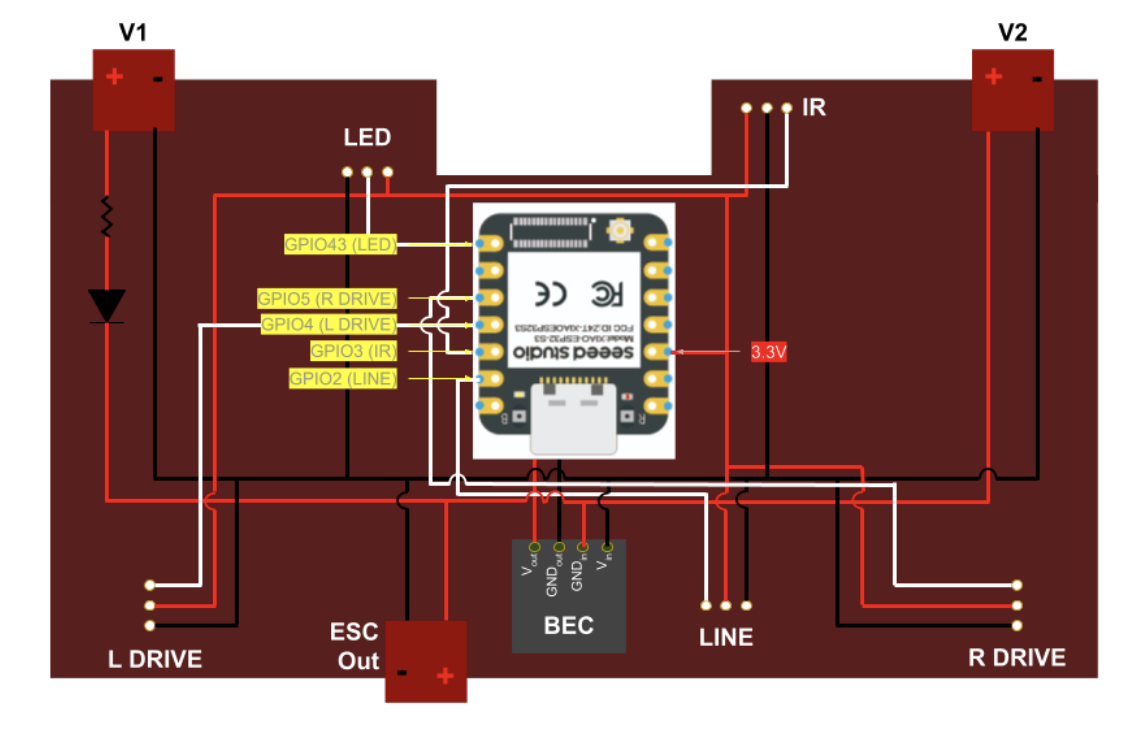
PCB electric schematic
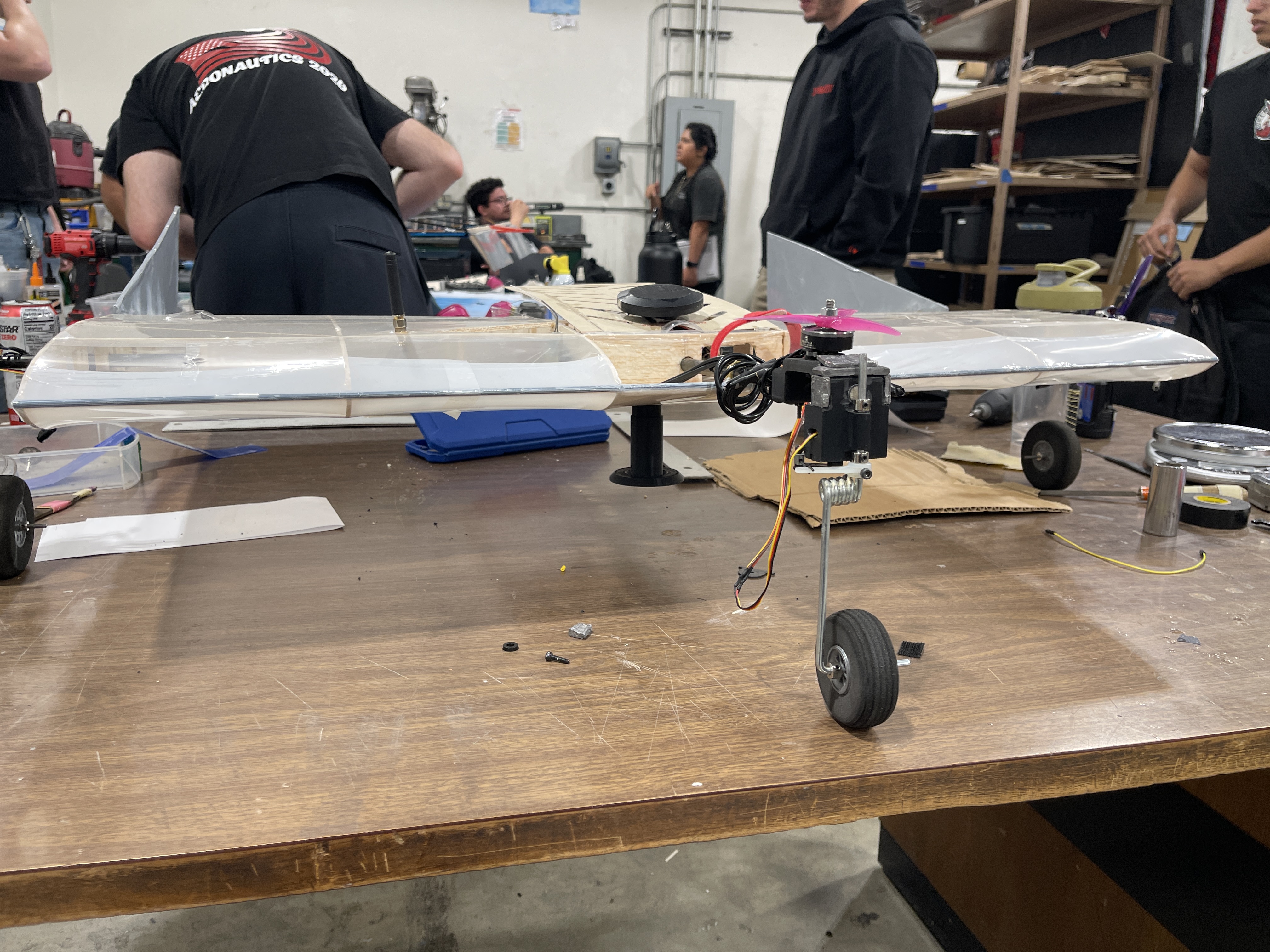
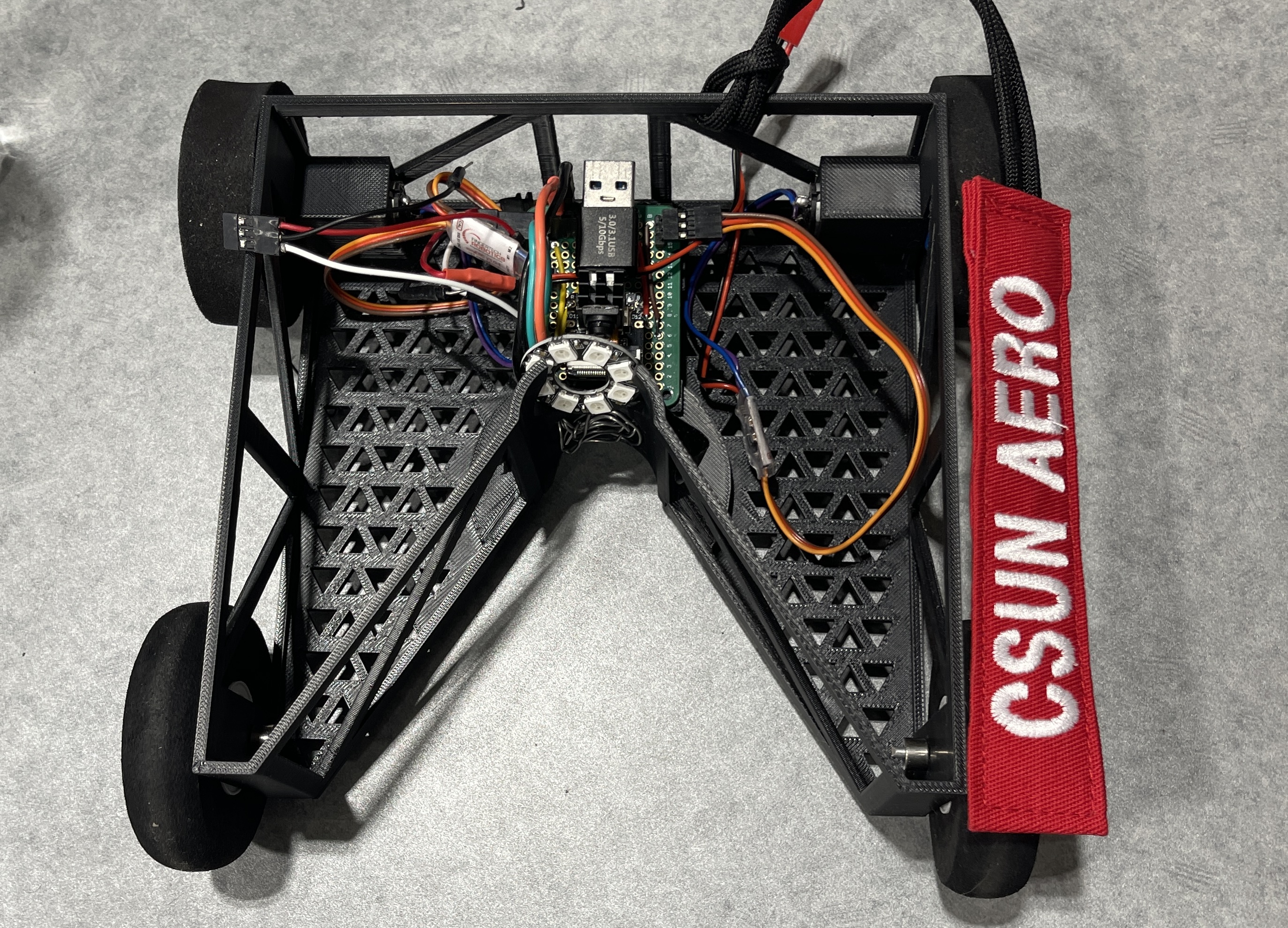
CSUN AERO 2026 drone
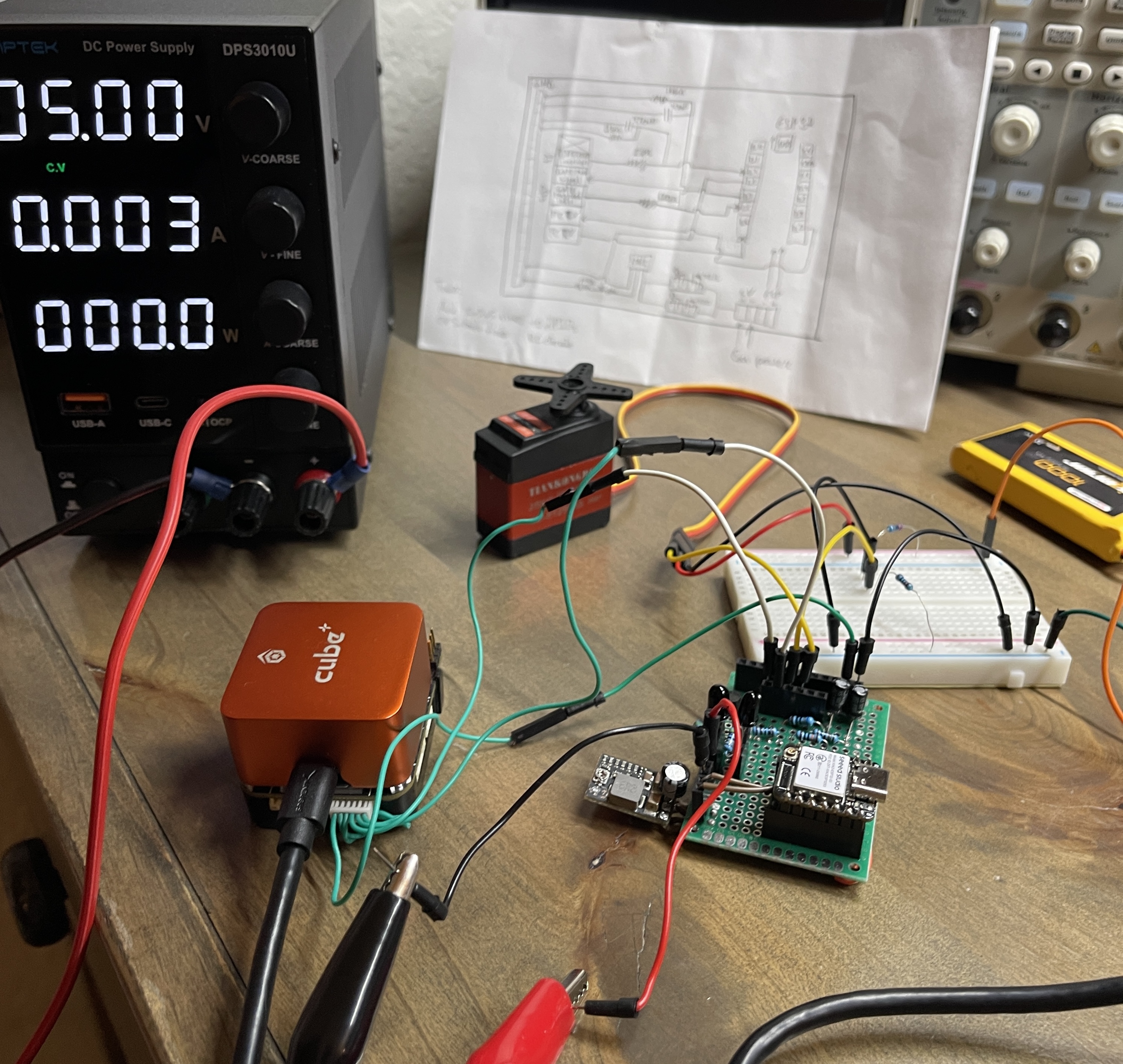
On-board computer connected to the corresponding peripherals
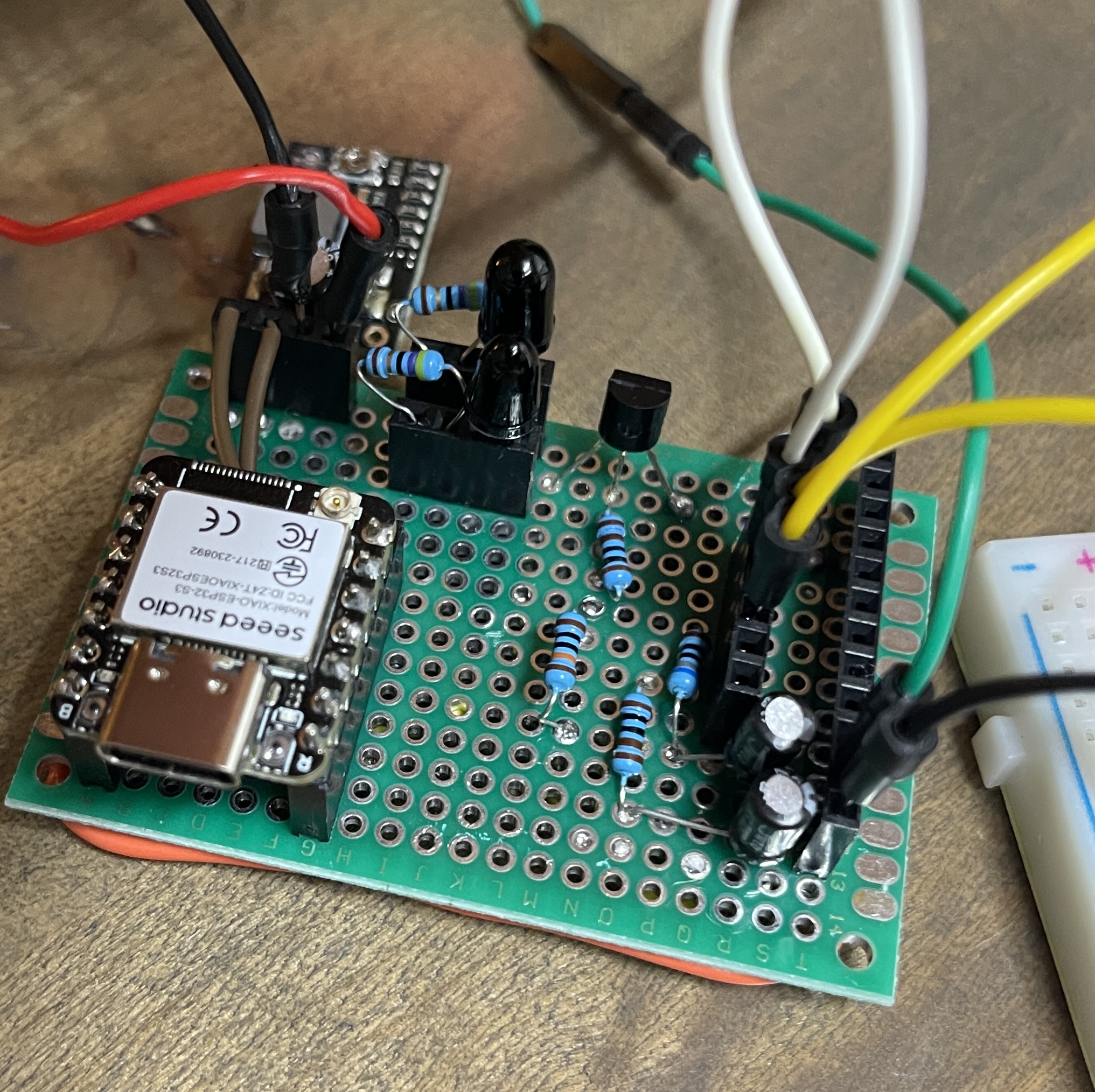
Close-up to the PCB with the computer

The onboard computer is responsible for UART communication with any flight controller that supports the MAVLink protocol in order to promptly pick up a dynamic payload upon landing. The computer utilizes the combination of a state-machine approach and an RTOS to ensure the pick-up procedure takes place with correct timing, allowing potential repetition of the mission without rebooting. The procedure includes sending a variety of infrared commands, lowering the gate until it touches the ground, recognizing that the payload is inside, raising the gate with the payload inside, and signaling to the drone that it is time to take off.

The computer is placed on a custom soldered circuit. The circuit(PCB prototype) has gone through the bring-up and hardware-in-the-loop testing. Additionally, I debugged the code using JTAG connection via OpenOCD with GDB. The circuitry enables reliable connections between peripherals and the computer, limits pick-up mechanism extraction by utilizing a DC-encoder, as well as debounces GPIO pins using an RC-based low-pass filter.

Autonomous Dynamic Payload, SAE international competition 2026

On-board computer connected to the corresponding peripherals
Close-up to the PCB with the computer

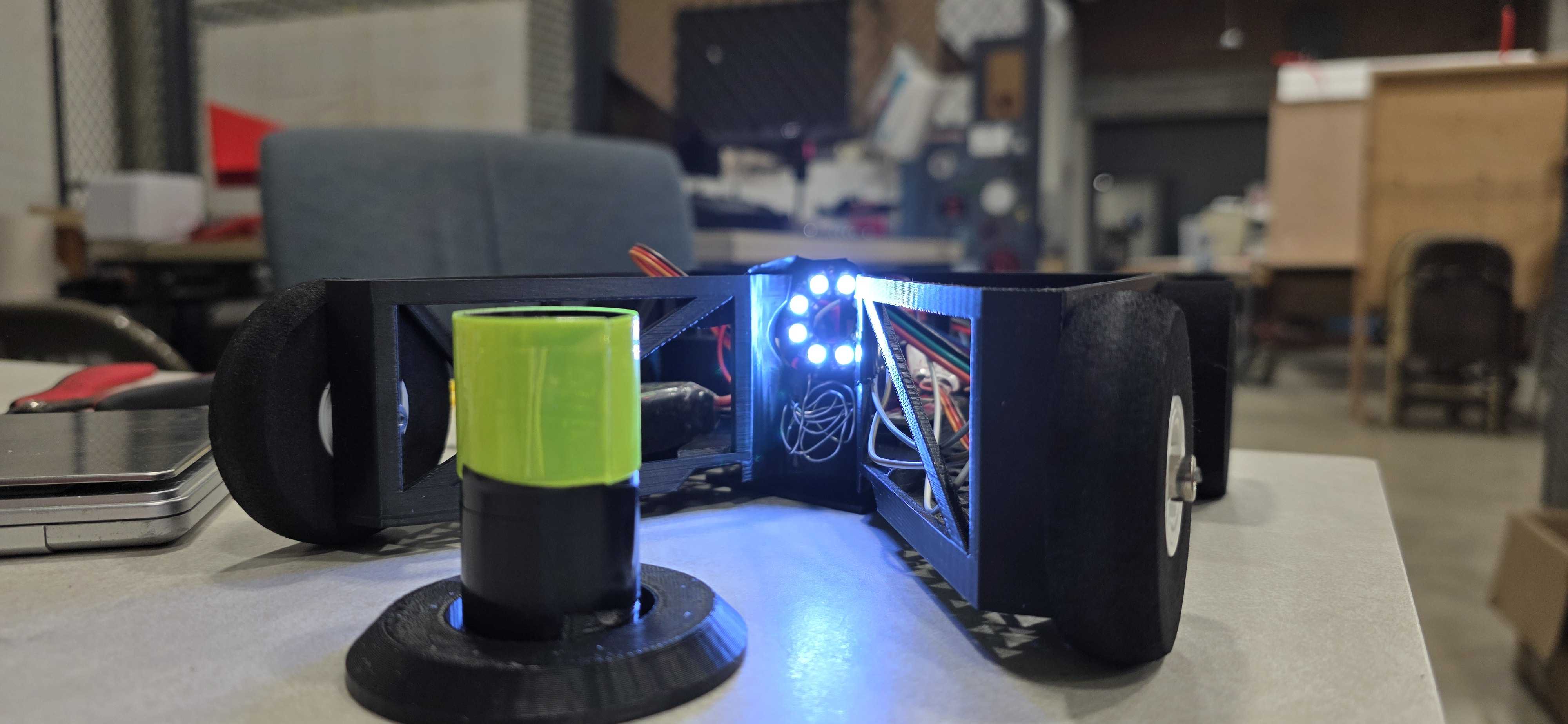
The dynamic payload is responsible for autonomously finding a path to the pick-up mechanism located on the bottom of the drone. The payload utilizes contrast-based line detector sensor, DC motors, camera that actively looks for a reflective tape wrapped around the pick-up mechanism and a flashlight for consistent lighting and therefore increased reliability of the computer vision algorithm.

There is a PCB specifically designed for integration of the peripherals with the MCU(ESP32S3)

Internship, Ai-powered device for people with dementia

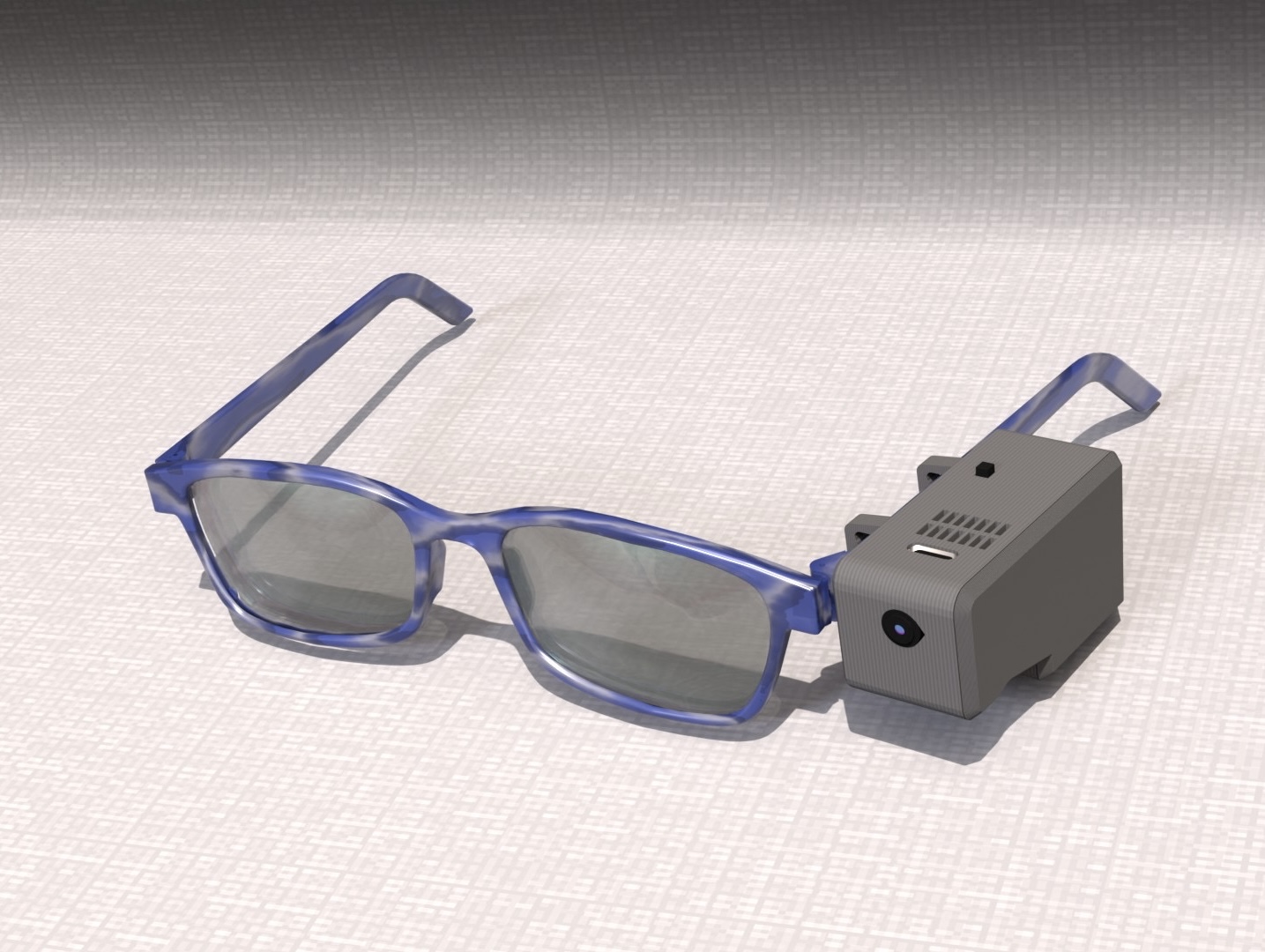
The prototype
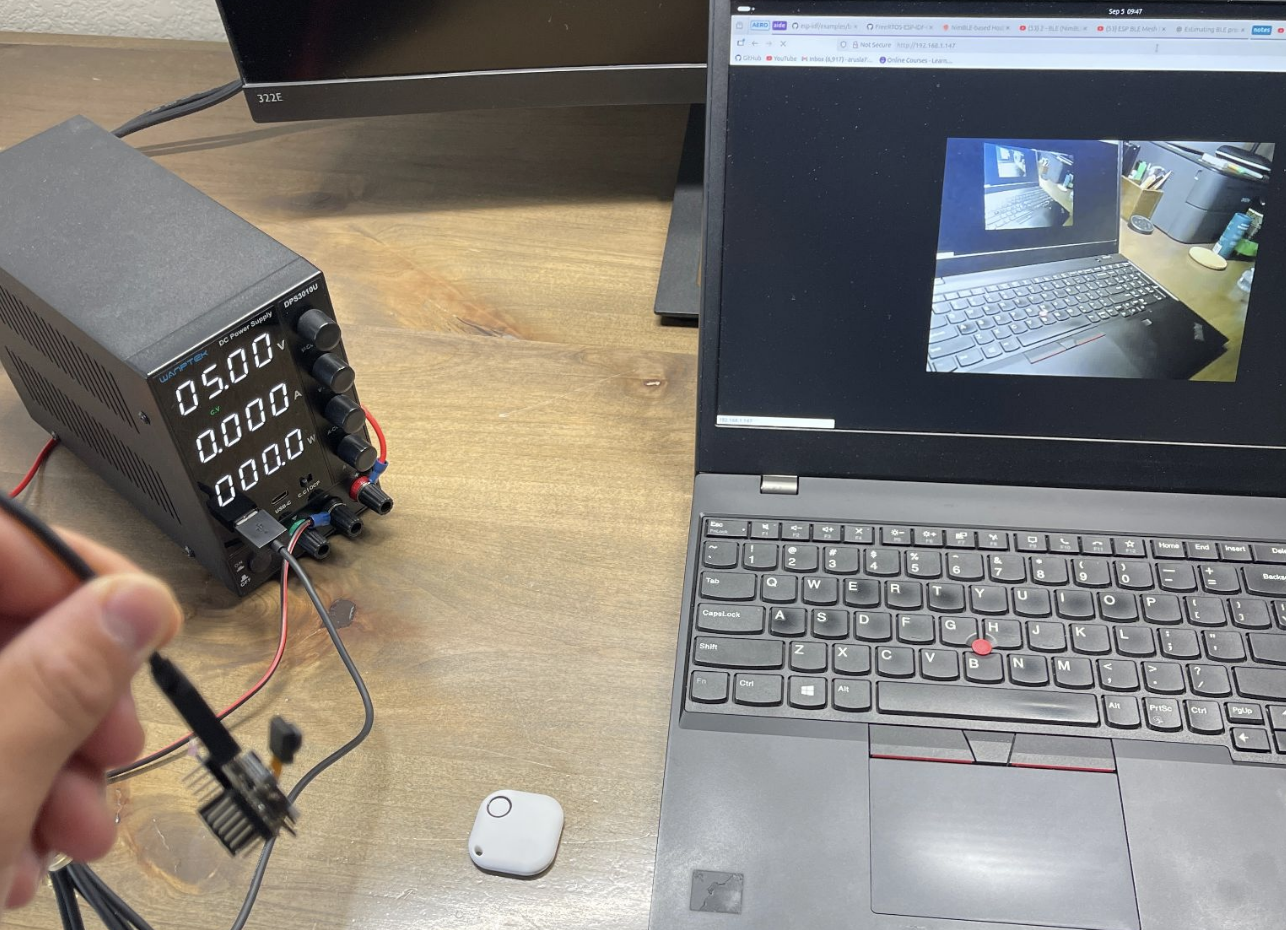
ESP32 Camera confirmed the proximity to the BLE and is transmitting its output to the local server

At Guardinova LLC, I was responsible for integrating the ESP32S3 MCU with a OV3660 camera to stream its output via WiFi (connected as a station) to an HTTP server whenever the microcontroller is close (proximity is calculated based on RSSI using NimBLE) to a BLE Beacon.

  • The code is not available for public disclosure

STM32 driver for radio communication

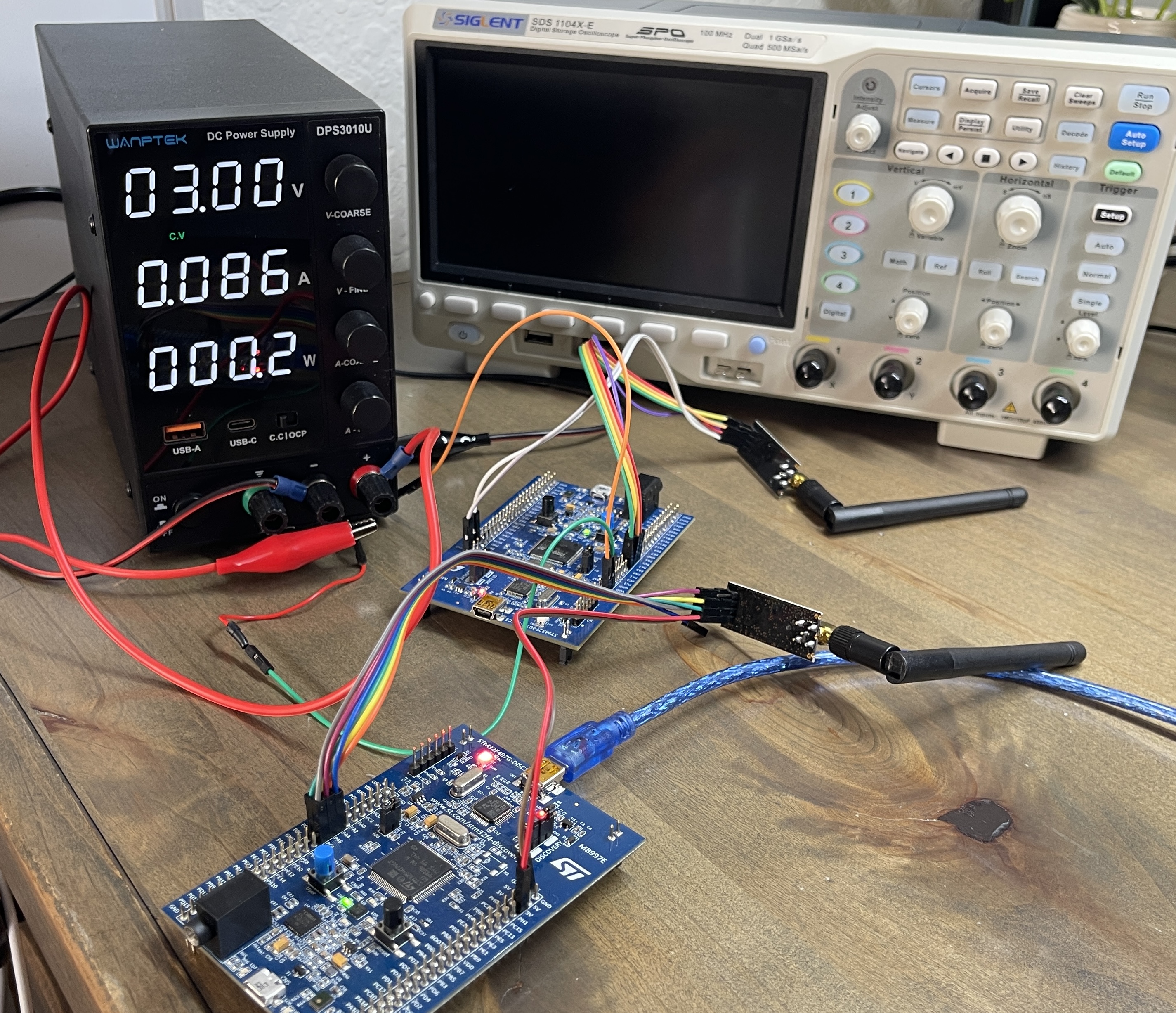
Two STM32F407-Disc1 boards that are communicating with each other over radio modules
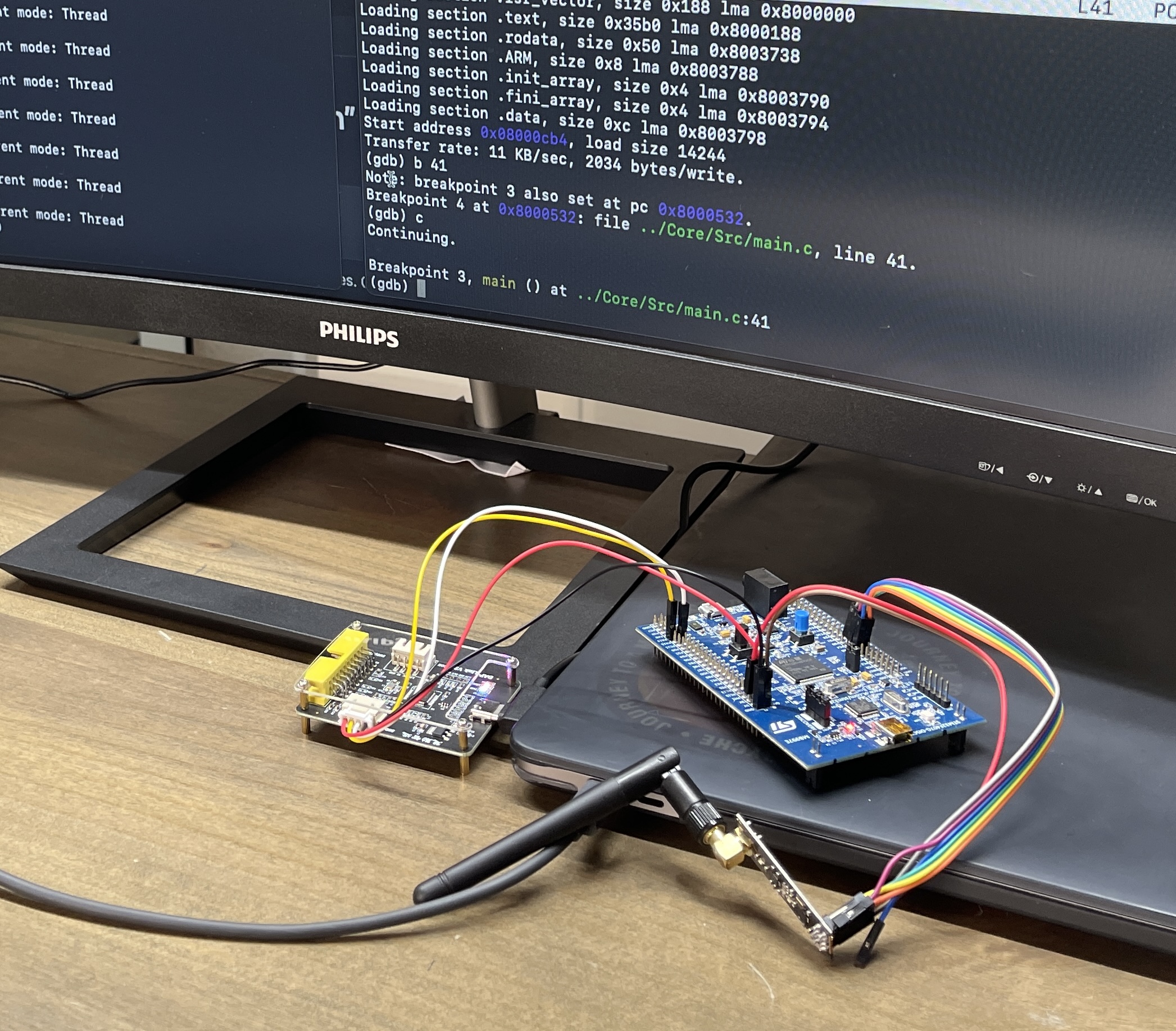
External debugger connected to one of the boards via the SWD ports

By following the official NRF24L01+ documentation, I've implemented a fully-configurable driver for TX and RF radio communication with STM32F407 Discovery board. The setup requires the HAL library and SPI connections between the board and the radio module. The driver was debugged using an external SWD debugger via OpenOCD with GDB.

The driver features dynamic payload sizing, adressing, CRC, auto-acknowledgement, and auto-retransmission for a custom amount of times in case no-ACK is received.

Bare-metal GPIO and SPI drivers development for STM32

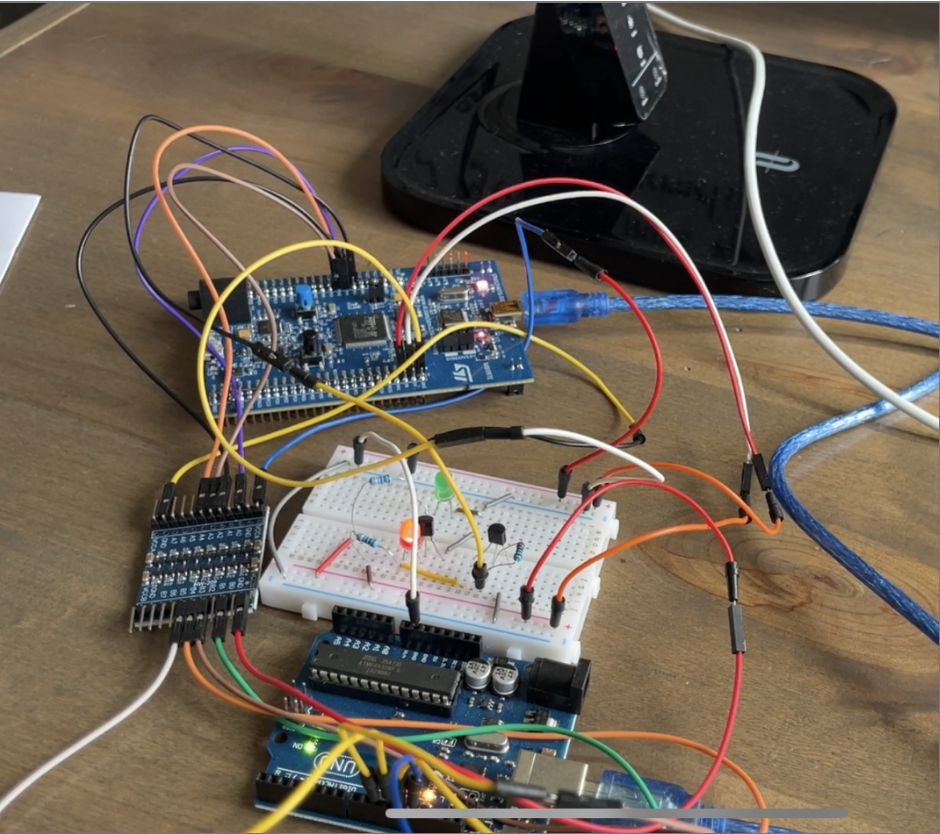
In accordance with the official documentation for the STM32F407-Disc1 board, I have implemented and well documented a bare-metal GPIO and SPI drivers. The drivers include a set of macros fully aligning with the memory map as well as bit positions and values for each register.

The drivers provide both polling and ISR-based APIs with callback functions.

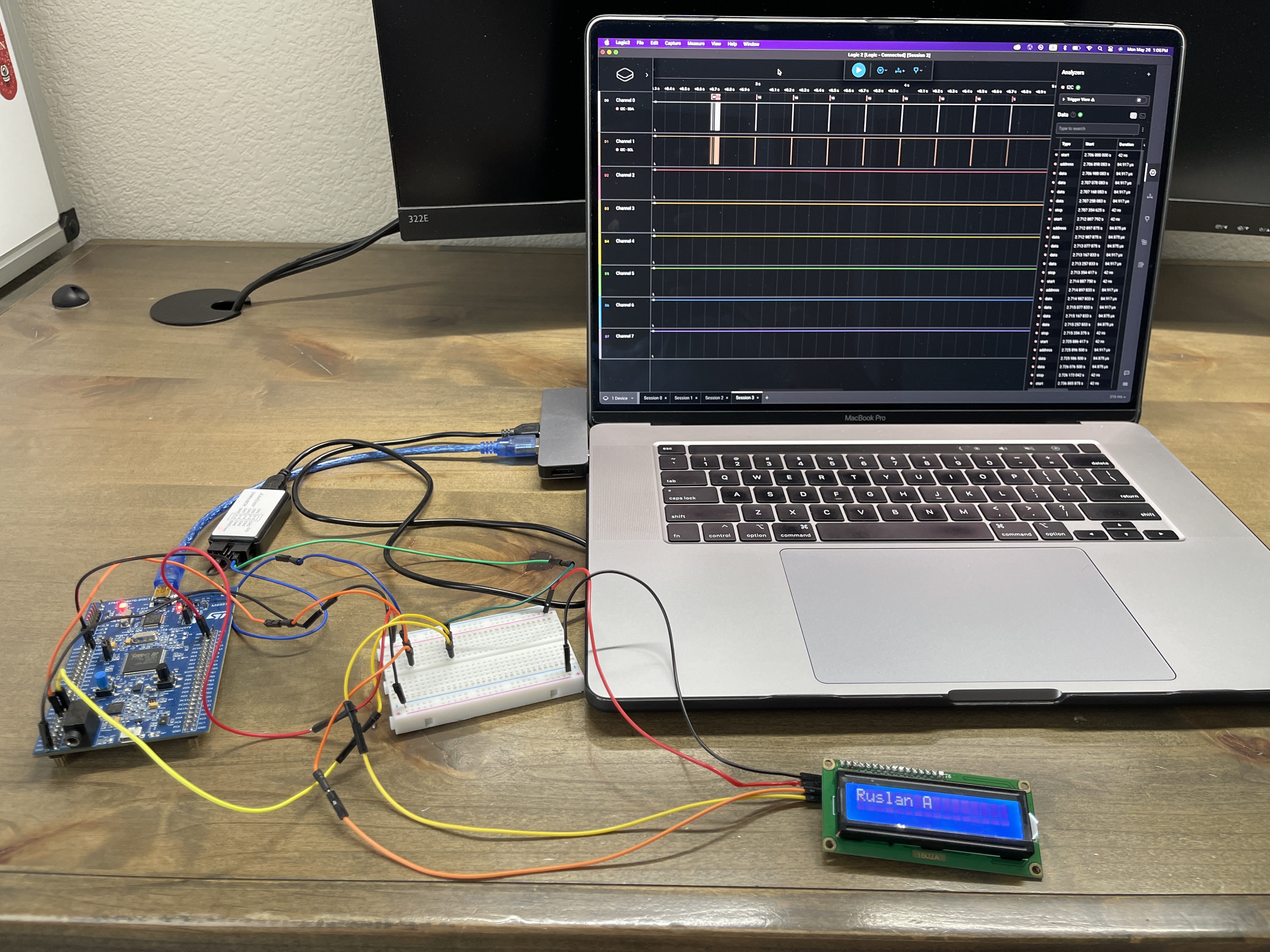
STM32 driver to interface LCD with I2C adapter

The configurable driver for STM32 boards enables both polling and ISR-based data transfers to a Liquid Crystal Display via an I2C module which reduces the total number of pins.

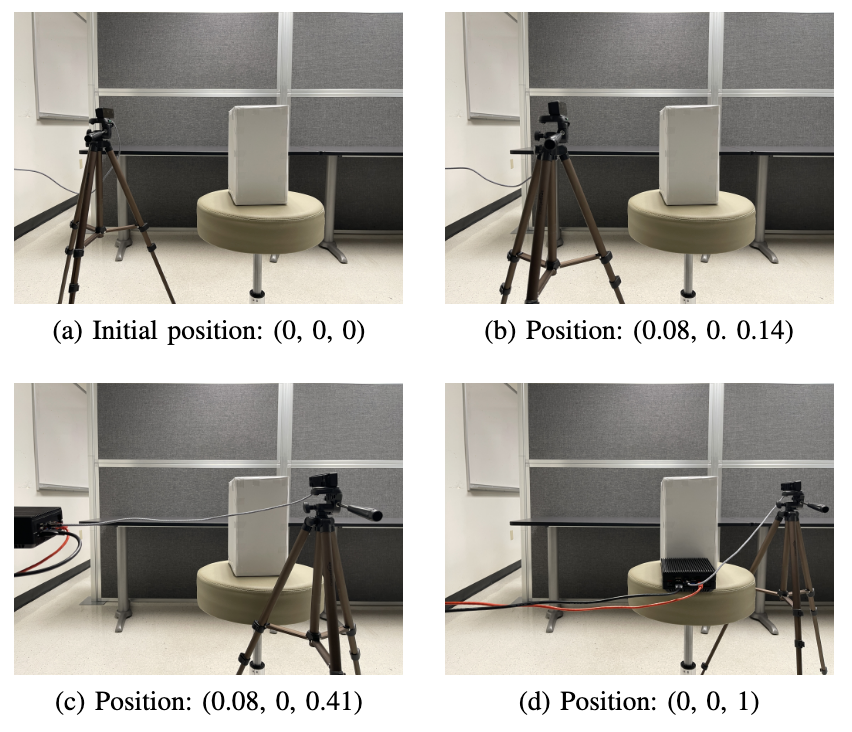
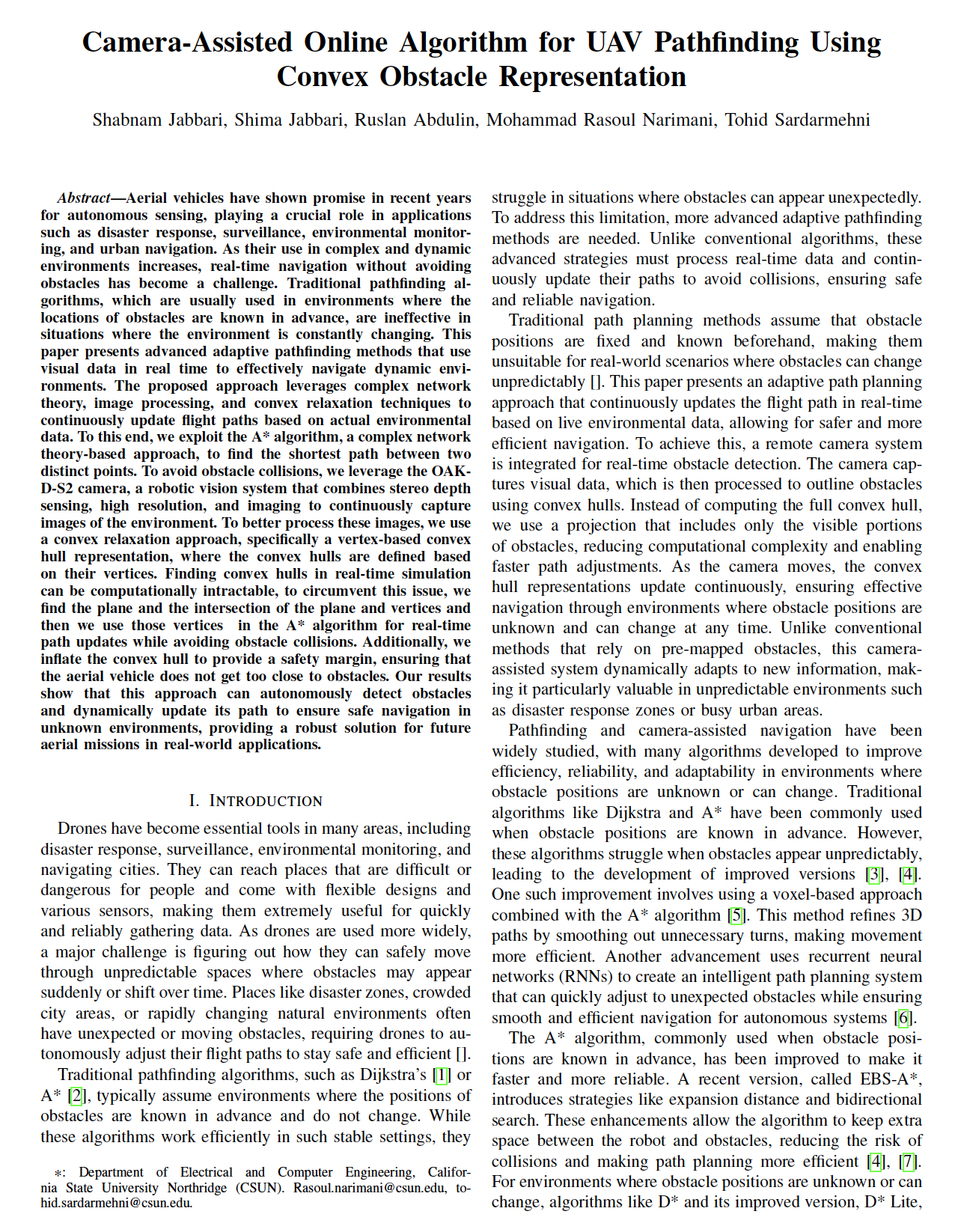
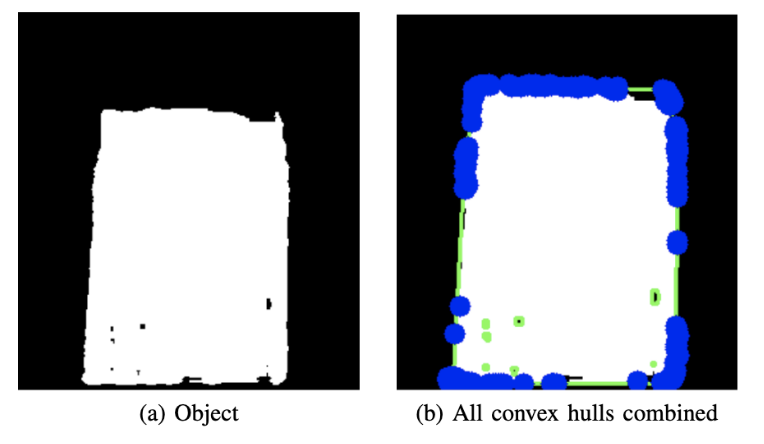
Computer Vision-based obstacle avoidance

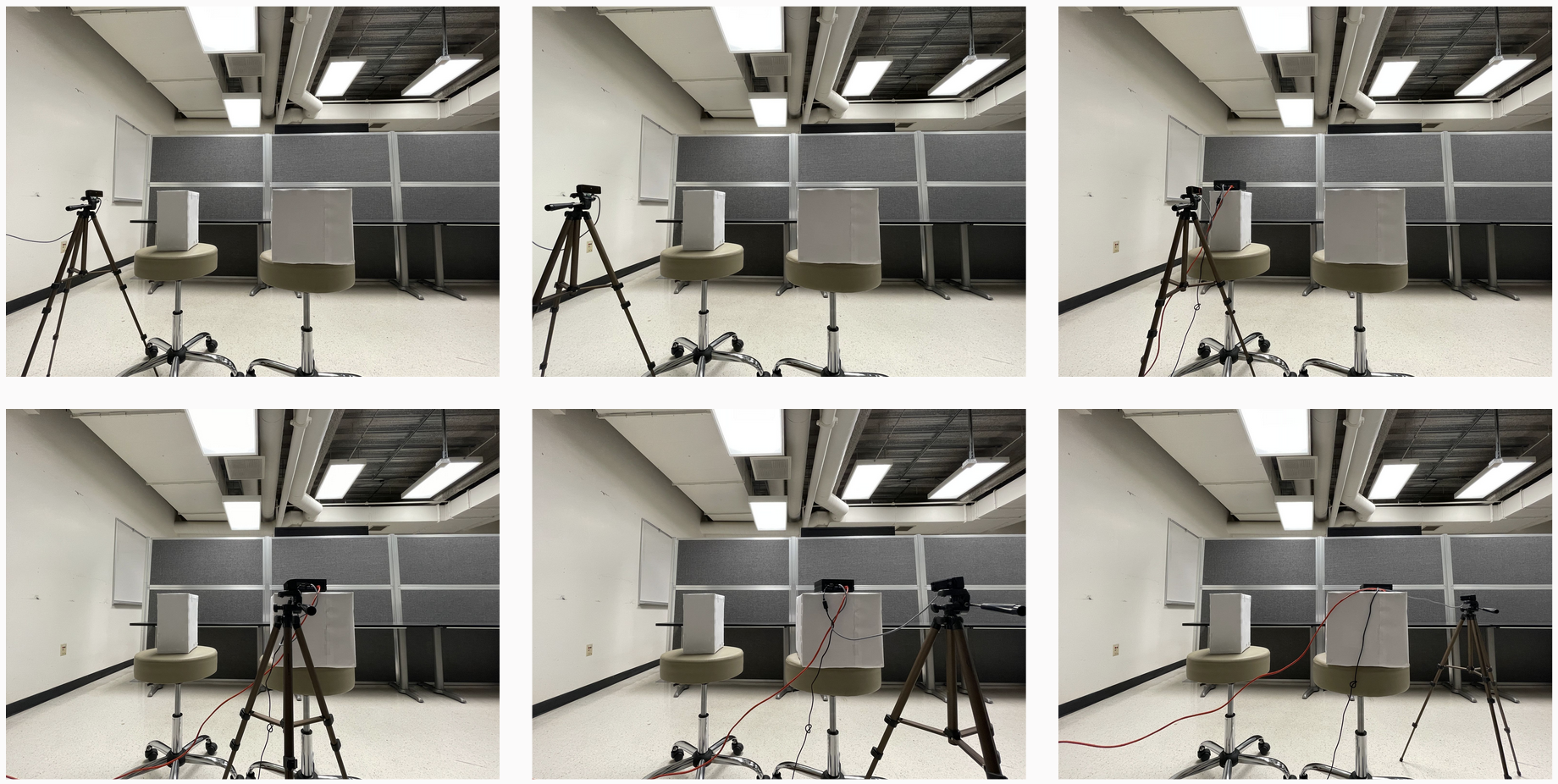
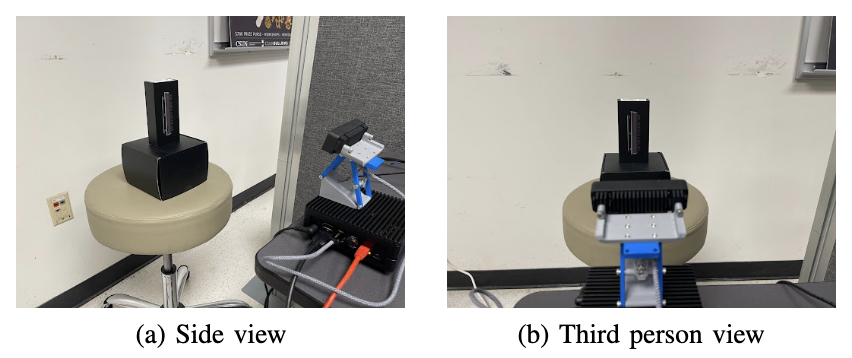
At CSUN Advanced System Labs, I implemented an object detection algorithm that computes object vertex coordinates relative to the camera’s origin. The vertices are derived using an approximation based on combined convex hulls. The convex hulls are obtained from Luxonis OAK-D depth camera that is connected to a Linux-based NVIDIA Jetson board for processing. The vertices are passed to a pathfinding algorithm, which determines next camera positions to enable real-time obstacle avoidance.

Additionally, I was responsible for camera calibration using a checkerboard pattern.